Pond Maintenance Schedule (Daily, Weekly, Seasonal)
A clear koi pond maintenance schedule: daily, weekly, monthly, and seasonal tasks for water testing, feeding, filter care, water changes, and winter prep that keep your pond and koi healthy year-round.
A healthy koi pond runs on a routine, not on rescue missions. Spread small jobs across the day, week, and season and you almost never face a crisis. The short version: skim debris and watch the fish daily, test water and rinse mechanical filter media weekly, vacuum muck and trim plants monthly, and shift the whole routine with the temperature as you move from spring startup to summer peak to fall cleanup to winter dormancy. Below is the full schedule, the gear that makes each task quick, and how to size everything to your real water volume.
Maintenance Gear Worth Owning

Aquascape Heavy-Duty Pond Net with Extendable Handle
Soft, fish-safe mesh and a 36 to 69 inch handle for daily skimming and safe koi handling.

API POND MASTER Test Kit (500-Test)
Liquid kit for accurate weekly ammonia, nitrite, pH, and phosphate readings.
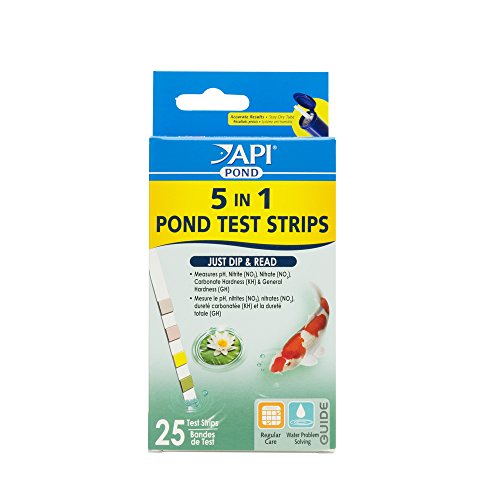
API Pond 5-in-1 Test Strips (25-ct)
Fast dip strips for daily spot checks of pH, nitrite, nitrate, KH, and GH.
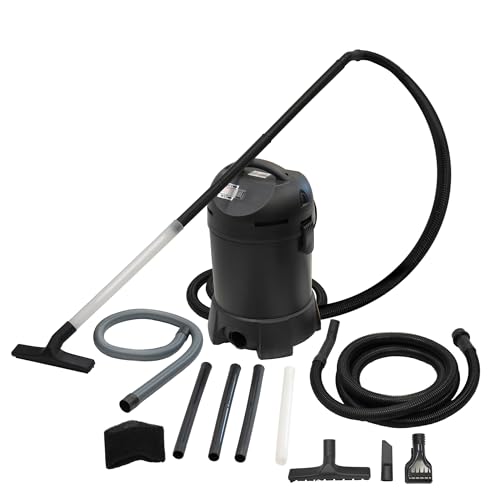
Half Off Ponds CleanSweep 1400 Pond Vacuum
Pulls muck, sludge, and decaying matter off the pond bottom for monthly and spring cleanouts.
Start with your real water volume
Almost every maintenance task scales to gallons: how much water you change, how much dechlorinator and bacteria you dose, and whether your pump and filter are big enough to keep up. Guessing leads to underdosing treatments or overworking a tired filter. Run your numbers once with the pond volume calculator and write the figure on a tag near the pond. Then confirm your turnover is right with the pond pump calculator, since you want the whole pond circulating at least once per hour.
The full maintenance schedule
Here is the routine at a glance. The seasonal column assumes a climate with real winters; mild-climate keepers can carry the spring and fall tasks lighter.
| Frequency | Task | Why it matters |
|---|---|---|
| Daily | Skim floating leaves and debris | Stops organics from rotting and feeding algae |
| Daily | Feed to a 5-minute finish, watch the fish | Catches illness early; prevents overfeeding |
| Daily | Check pump, waterfall, and water level | Confirms flow, aeration, and no leaks |
| Weekly | Test ammonia, nitrite, nitrate, pH, KH | The early-warning system for water trouble |
| Weekly | Rinse mechanical media in pond water | Keeps flow strong without killing bacteria |
| Weekly | Change 10 to 20 percent of the water | Dilutes nitrate and refreshes minerals |
| Monthly | Vacuum bottom muck and sludge | Reduces the organic load that clouds water |
| Monthly | Trim dead plant growth, check stocking | Keeps balance and prevents decay |
| Spring | Light cleanout, restart feeding, reseed bacteria | Wakes the pond up without a full reset |
| Summer | Boost aeration, watch for green water | Warm water holds less oxygen, grows more algae |
| Fall | Net the pond, cut back feeding, remove leaves | Prevents a winter sludge buildup |
| Winter | Keep a hole in the ice, stop feeding | Lets gases escape and koi rest safely |
Daily tasks (2 to 5 minutes)
The daily pass is quick but it is where you catch problems while they are still small.
- Skim the surface. Pull off floating leaves, pollen, and debris with a long-handled net before they sink and decay. A good skim every day does more for clarity than any treatment.
- Feed and observe. Feed only what the koi clear in about 5 minutes. While they eat, watch for flashing, gasping, clamped fins, or sores. Behavior changes show up at feeding time first; see koi not eating and koi flashing and rubbing if something looks off.
- Check the equipment. Confirm the pump is moving water, the waterfall is flowing, and the level has not dropped. A sudden drop points to a leak or a clogged skimmer.
Weekly tasks (15 to 30 minutes)
Test the water
Testing is the heart of pond keeping. Once a week, check ammonia, nitrite, nitrate, pH, and KH. In a healthy, cycled pond ammonia and nitrite read zero. If either climbs, feed less and do a water change while you investigate. If you are still learning what each reading means, read the pond nitrogen cycle and keep your buffering steady with pond KH and GH.
Rinse mechanical media and change water
Squeeze or hose the mechanical pads and sponges in a bucket of pond water to clear trapped gunk, then return them. Leave biological media alone so the bacteria stay put. Finish with a 10 to 20 percent water change, always dechlorinated. Water changes are not optional just because the pond looks clear; see pond water changes for the why and the how.
Monthly tasks
- Vacuum the bottom. Muck is decomposing fish waste, uneaten food, and leaf litter. Left alone it fuels algae and robs oxygen. A pond vacuum lifts it out without draining the pond.
- Trim and thin plants. Cut yellowing leaves and remove excess growth before it dies back and rots. Healthy plant cover starves algae of nutrients.
- Reassess stocking. Koi grow fast. A pond that felt roomy in spring can be crowded by late summer. Recheck your numbers with the koi stocking calculator, since koi are heavy-waste fish that need about 1,000 gallons or more.
Seasonal maintenance
Spring
As water warms past about 50F, koi wake up and start eating again. Do a gentle cleanout that removes accumulated leaves and muck without scrubbing away the whole biofilm. Reseed the filter with beneficial bacteria, restart feeding slowly with an easy-to-digest food, and resume weekly testing. Avoid a full drain; it forces a stressful recycle.
Summer
Warm water holds less oxygen, so summer is when aeration matters most, especially overnight when plants stop producing oxygen. If koi gather at the surface and gasp at dawn, add aeration fast; size it with the pond aeration calculator. Summer is also prime algae season. Stay ahead of it with steady plant cover and disciplined feeding, and read pond algae control if growth gets away from you.
Fall
Falling leaves are a winter sludge problem in the making. Stretch netting over the pond before the trees drop, keep skimming, and remove debris promptly. As water cools below 50F, switch to a wheat-germ food, then stop feeding entirely once it holds below that mark, because koi cannot digest protein in cold water.
Winter
Where water freezes, the goal is simple survival, not activity. Keep an opening in the ice with a de-icer or an air stone near the surface so toxic gases vent and oxygen enters. Never smash the ice, which sends a shockwave through resting fish. A deep zone of 2 to 3 feet or more lets koi settle into stable water below the ice. Stop feeding, and leave the fish undisturbed until spring.
Keeping the routine on track
The trick to maintenance is consistency, not intensity. Small, regular jobs prevent the big, expensive ones. Keep your test kit, net, and dechlorinator within arm's reach of the pond so testing and topping off never feel like a chore. Log your weekly readings so you can spot a trend before it becomes a problem, and adjust feeding and water changes as the koi grow. Keeping fish indoors instead? The same discipline applies on a smaller scale over at FishTankCalculator.com. Build the habit, lean on your numbers, and your pond will largely take care of itself.
Pond Build & Maintenance Planner
Build planner, stocking planner, water-test log, and seasonal maintenance schedule, in one printable planner that keeps your pond healthy year-round.
Frequently Asked Questions
How often should I clean my pond filter?
Rinse mechanical media (pads, sponges, brushes) every 1 to 2 weeks in the growing season, more often if it clogs. Always rinse in a bucket of pond water, never under the tap, so you do not kill the bacteria living on it. Leave biological media largely alone. A deep filter clean once in spring is plenty; cleaning too aggressively wipes out the colony that keeps ammonia and nitrite at zero.
Do I need to do water changes if my pond looks clear?
Yes. Clear water can still carry high nitrate and dissolved organics that stress koi. A weekly partial change of 10 to 20 percent dilutes those invisible buildups and replaces trace minerals. Always dechlorinate the new water. Clear is not the same as healthy, which is why a weekly test of ammonia, nitrite, nitrate, and KH tells you far more than the eye can.
How much should I feed my koi?
Feed only what the koi finish in about 5 minutes, once or twice a day in warm weather. Uneaten food rots, spikes ammonia, and clouds the water. As temperatures drop below 50F, koi metabolism slows, so cut back to a wheat-germ food and stop feeding entirely once water holds below about 50F. Overfeeding is the single most common cause of green water and poor clarity.
What pond maintenance is needed in winter?
In freezing climates, keep a hole open in the ice with a de-icer or aerator so toxic gases escape and oxygen gets in. Stop feeding once water drops below 50F. Run a deep zone of 2 to 3 feet or more so koi can rest below the ice. Remove the pump from shallow setups or keep flow near the surface to avoid supercooling the deep water where fish overwinter.
Should I drain my pond every year?
No. A full drain and scrub destroys the beneficial bacteria colony and forces a stressful recycle, risking new pond syndrome. Instead, vacuum out bottom muck, trim plants, and do partial water changes. A light spring cleanout that removes leaf litter and debris while preserving most of the biofilm is far healthier than starting from scratch each year.
How do I know my maintenance routine is working?
Your test kit is the scorecard. Ammonia and nitrite should read zero, nitrate should stay low, KH should hold steady to keep pH stable, and the koi should be active and eating well. Clear water, gentle waterfall flow, and calm fish all point to a balanced pond. If readings drift or fish flash and gasp, increase water changes and check your filter and stocking.
Planning or running a pond?
Use our free calculators and guides to get every number right.
Pond Planner: $39