Pond KH and GH Explained
What KH (carbonate hardness) and GH (general hardness) mean for koi ponds, the ideal KH range, why low KH causes dawn pH crashes, and how to raise KH safely.
KH and GH are two of the most useful numbers in pond keeping, yet they rarely get the attention pH does. In short: KH (carbonate hardness) is your pond’s buffer, the chemistry that holds pH steady and prevents sudden crashes, while GH (general hardness) is the calcium and magnesium that keep koi and plants healthy. For a stable koi pond, target a KH of roughly 105 to 200 ppm (about 6 to 11 dKH) and never let it fall below about 80 ppm. Get KH right and most pH worries simply disappear.
KH versus GH: what each one measures
The two are easy to confuse because both use the word hardness, but they describe different things and are tested separately.
- KH (carbonate hardness, alkalinity): the concentration of carbonates and bicarbonates in the water. This is your buffering capacity, the chemistry that absorbs acids and keeps pH from swinging. Low KH is the single most common hidden cause of pH instability.
- GH (general hardness): the total dissolved calcium and magnesium. GH supports koi osmoregulation, scale and bone health, and plant growth. Very soft water (low GH) can leave fish stressed and plants struggling.
A pond can be high in one and low in the other. Rainwater top-ups, for example, are soft in both, while well water is often hard in GH but variable in KH. The only way to know your numbers is to test, which is why a hardness-capable kit belongs in every pond shed.
KH and GH testing and adjusting

AAwipes 8-in-1 Aquarium and Pond Test Strips, 50 ct
Quick strips that read alkalinity (KH) and hardness (GH) along with pH and ammonia.

Pond Logic The Pond Guy pH Stabilizers, 2 lb
Carbonate buffer that raises and holds KH so pH stays steady through the day.
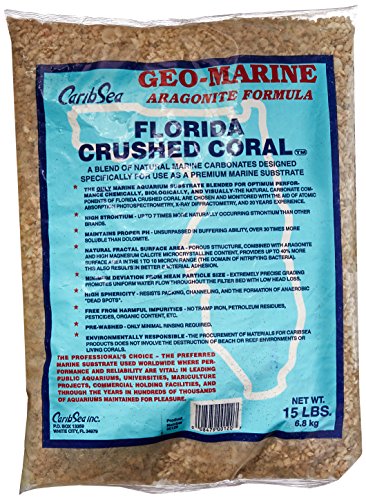
Carib Sea Crushed Coral, 15 lb
Slow-dissolving aragonite that buffers KH and adds calcium GH as water acidifies.

API Pond Master Liquid Test Kit, 500 tests
Liquid kit for pH, ammonia, nitrite, and phosphate to round out your water log.
Why KH is the buffer that protects your koi
Think of KH as a sponge for acid. As acids enter the water, the carbonates in your KH neutralize them, and pH barely moves. When that sponge is empty, even small additions of acid send pH tumbling. This matters because a pond generates acid every single day.
The daily pH swing and the dawn crash
Ponds breathe on a 24-hour cycle. Overnight, fish, plants, and bacteria respire and release carbon dioxide, which dissolves into carbonic acid and pushes pH down. The low point arrives around dawn. After sunrise, plants and algae photosynthesize, pull that carbon dioxide back out, and pH climbs through the afternoon. In a pond with healthy KH, this swing is gentle, perhaps a few tenths of a point. In a pond with little or no KH, the dawn low can crash several points in hours, which is enough to harm or kill koi. If you have ever found fish in distress first thing in the morning, low KH is a prime suspect.
KH feeds your biofilter
The bacteria that run your pond nitrogen cycle consume carbonate as they convert ammonia and nitrite. A busy, well-stocked biofilter steadily drains KH, which is exactly why KH falls over time and needs topping up. If KH bottoms out, nitrification slows and ammonia can climb, so buffering and biofiltration are two sides of the same coin. KH and pH go hand in hand, so it is worth reading our companion guide to pond pH alongside this one.
Target ranges for a koi pond
| KH level | dKH | What it means |
|---|---|---|
| Below 40 ppm | Under 2 | Dangerous. pH is unstable and a dawn crash is likely. |
| 40 to 80 ppm | 2 to 4.5 | Marginal. Buffering is weak, raise KH soon. |
| 105 to 200 ppm | 6 to 11 | Ideal koi range. pH stays steady through the daily swing. |
| Above 215 ppm | 12+ | Very firm buffering. Safe, though pH may sit high near 8.4. |
One degree of carbonate hardness, written 1 dKH, equals about 17.9 ppm. GH preferences are broader: most koi do well across a moderate range, and problems usually come from extremely soft water rather than hard water. If your source water is very soft in both KH and GH, crushed coral is a tidy fix because it raises both at once.
How to raise KH safely
You have two practical tools, one fast and one slow, and they work well together.
Baking soda for a fast boost
Plain baking soda (sodium bicarbonate) is the cheapest and quickest way to raise KH. It also nudges pH toward about 8.3, its natural buffering point, then stops, which makes it self-limiting and safe for ponds that sit in the koi-friendly 7.0 to 8.5 band. The key rule is to go slowly:
- Dissolve the baking soda fully in a bucket of pond water before adding it, never dump it dry near fish.
- Pour it in near a waterfall or air stone so it mixes quickly through the whole volume.
- Add a modest amount, wait a few hours, then retest. Repeat until KH reaches your target.
- Do not raise KH by more than about 1 dKH (roughly 18 ppm) per day, since a fast change stresses fish.
Dosing depends on your exact gallons, so always know your real volume first. Measure it once with our pond volume calculator, then dose to that number rather than to a guess. The same volume figure is what you use for pond salt and every other treatment.
Crushed coral and aragonite for steady buffering
For hands-off, long-term stability, place crushed coral, aragonite, or oyster shell in a mesh bag in your filter or stream. These calcium carbonate materials dissolve only as the water turns acidic, so they release buffering on demand and back off when KH is already adequate. That self-regulating behavior makes them very forgiving, and because they are calcium based they raise GH as well as KH. The trade-off is speed: coral works gradually over weeks, so use baking soda to correct an immediate low and coral to hold the line afterward. A commercial pond pH buffer is the convenient middle ground, pre-blended to hit the koi range without measuring household chemistry.
A simple KH routine
- Test KH every one to two weeks, and weekly in new or heavily stocked ponds.
- If KH is drifting toward 80 ppm, top it up before it crashes rather than after.
- Keep a small bag of crushed coral in the filter as a passive safety net.
- Test KH before you ever try to adjust pH, because low KH is usually the real problem.
- Log your numbers so you can see the seasonal trend, especially the spring drawdown as the biofilter wakes up.
Master KH and you remove the most common cause of dangerous pH swings in backyard ponds. It is a few dollars of baking soda or coral and ten minutes of testing, and it buys you stable water that lets koi thrive.
Pond Build & Maintenance Planner
Build planner, stocking planner, water-test log, and seasonal maintenance schedule, in one printable planner that keeps your pond healthy year-round.
Frequently Asked Questions
What is the difference between KH and GH in a pond?
KH is carbonate hardness, also called alkalinity, and it measures the water’s buffering capacity against pH change. GH is general hardness, the total calcium and magnesium dissolved in the water. KH protects your koi from sudden pH swings, while GH supports fish health and plant growth. They are measured separately, and a pond can be high in one and low in the other.
What is the ideal KH for a koi pond?
Aim for a KH of roughly 105 to 200 ppm, which is about 6 to 11 dKH. Keep it from falling below about 80 ppm, the point where pH starts to become unstable. A KH in this range holds pH steady through the daily swing caused by photosynthesis and respiration, and it gives your biofilter the carbonate it needs to keep processing ammonia.
Why does my pond pH crash at dawn?
Through the night, fish and bacteria respire and release carbon dioxide, which forms carbonic acid and pushes pH down to its lowest point near dawn. During the day, plants and algae consume that carbon dioxide and pH rises again. When KH is low there is nothing to buffer this swing, so the dawn low can crash dangerously. A healthy KH keeps the swing small and safe.
How do I raise KH in my pond?
Use baking soda (sodium bicarbonate) for a fast, inexpensive boost, or crushed coral and aragonite for slow, self-regulating buffering. Add baking soda gradually, dissolving it in a bucket of pond water first, and retest after a few hours. Raise KH no faster than about 1 dKH, roughly 18 ppm, per day so you do not stress your fish with a rapid change.
Does baking soda raise pH as well as KH?
Yes, but it self-limits. Baking soda raises KH and nudges pH toward about 8.3, its natural buffering point, then stops climbing. This makes it a safe choice for most koi ponds, which are happiest between pH 7.0 and 8.5. If your pond is already alkaline and you only need buffering, crushed coral is a gentler option because it dissolves only as the water acidifies.
How often should I test KH and GH?
Test KH at least every one to two weeks, and more often in a heavily stocked pond or a new one, because the nitrogen cycle steadily consumes carbonate and pulls KH down. GH changes more slowly, so monthly testing is usually enough once you know your source water. Always test KH before adjusting pH, since low KH is the most common hidden cause of pH problems.
Planning or running a pond?
Use our free calculators and guides to get every number right.
Pond Planner: $39