Koi Sitting at the Bottom of the Pond
Koi resting on the bottom is normal winter torpor in cold water but a warning sign in warm water. Check the temperature first, then test water and watch for illness. Here is how to tell the difference.
Finding your koi parked motionless on the bottom of the pond can be alarming, but the meaning depends almost entirely on one thing: water temperature. In cold water, below about 50 degrees Fahrenheit, koi naturally slow down and rest near the bottom in a state called winter torpor. That is healthy and expected. In warm water, the same behavior is a warning sign, usually pointing to poor water quality, low oxygen, or illness. So your first action is to check the temperature, then test the water, then look closely at the fish for distress signals.
Check Temperature and Water Quality

Aquascape Submersible Pond Thermometer
Simple submersible gauge so you always know whether your koi are in torpor range or warm water.

API POND MASTER Test Kit (500-Test)
Liquid kit for ammonia, nitrite, pH, and phosphate to rule out water as the cause.
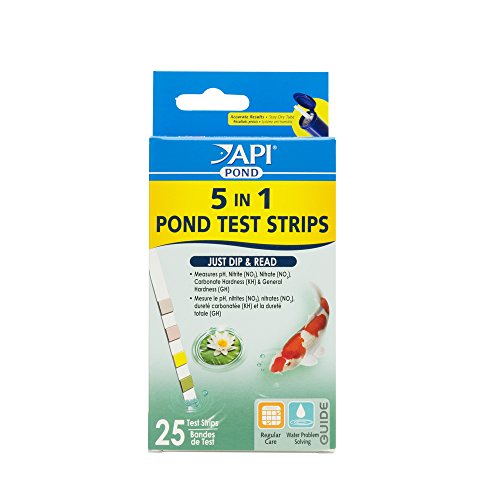
API Pond 5-in-1 Test Strips (25-ct)
Quick dip strips for pH, KH, GH, nitrite, and nitrate during a fast check.
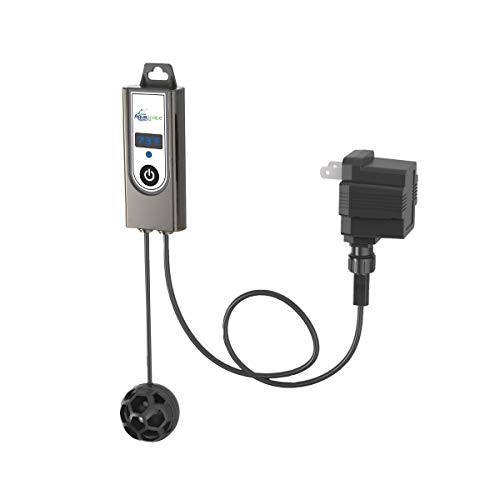
Aquascape Smart Pond Thermometer with Transformer
Wired thermometer for continuous temperature readings through the seasons.
When bottom-sitting is completely normal
Koi are cold-blooded, so their metabolism tracks the water temperature. As the pond cools through fall and into winter, koi gradually become less active. Below roughly 50 degrees Fahrenheit they enter winter torpor, a dormant, low-energy state where they hover or rest near the bottom, breathe slowly, barely move, and stop eating entirely. The bottom of a deep pond is also the warmest, most stable place in winter, so that is exactly where healthy koi should be.
During this period a resting koi should still look normal: fins relaxed rather than clamped, body upright, color and skin clear of marks, and no labored gasping. You may not see them move for long stretches, and that is fine. The key signs of healthy torpor are calm posture and a normal appearance, just at very low activity.
Caring for koi through winter
- Stop feeding below 50 degrees. A dormant digestive system cannot process food, and uneaten food rotting inside a fish is dangerous. Resume only when water holds above 50 in spring.
- Keep a deep zone. Koi overwinter in the deepest water, which is why 2 to 3 feet or more of depth matters where the surface freezes.
- Keep a hole in the ice. Use a de-icer or an air stone near the surface so toxic gases escape and oxygen gets in. Never smash the ice, which shocks resting fish.
- Ease off the pump if needed. In hard freezes, keep some gentle aeration high in the water column but avoid supercooling the deep zone where fish rest.
For the full seasonal routine, see our guide to overwintering koi.
When bottom-sitting is a warning sign
The same behavior means something very different in warm water. If your pond is above about 60 degrees Fahrenheit and a koi is sitting listlessly on the bottom, refusing food, or showing other symptoms, treat it as a problem and investigate. Watch for these red flags at any temperature:
- Clamped or drooping fins held tight to the body
- Gasping or rapid gill movement, especially near the surface or waterfall
- Red streaks, sores, ulcers, or a grey slimy film on the body
- Flashing or rubbing against rocks and the liner
- Isolating from the group, or sitting at an odd angle
- Loss of appetite in warm water when fish should be active
Likely causes in warm water
Three causes account for most warm-water bottom-sitting:
- Poor water quality. Ammonia or nitrite from an overwhelmed or disrupted filter makes koi lethargic and can damage gills. This is the first thing to rule out.
- Low dissolved oxygen. Warm water holds less oxygen, and an overstocked or under-aerated pond can leave fish sluggish on the bottom, often worst on hot, still nights.
- Parasites or infection. External parasites and bacterial infections sap a koi's energy and frequently show alongside flashing, sores, or clamped fins.
How to diagnose and respond
- Measure the temperature. If you are below 50 degrees and the fish look normal, it is torpor. Leave them be and do not feed.
- Test the water. In warm water, run ammonia, nitrite, nitrate, and pH. Ammonia and nitrite should be zero. If they are not, that is very likely your cause. See the pond nitrogen cycle if your readings are off.
- Check oxygen and aeration. If readings are clean, look at aeration. Add an air stone or fountain, and size it with the pond aeration calculator. Confirm your stocking is not too heavy with the koi stocking calculator.
- Inspect the fish. Look for parasites, sores, and breathing rate. Persistent flashing points you to our guide on koi flashing and rubbing.
- Act on water first. Do a 20 to 30 percent dechlorinated water change if ammonia or nitrite are present, then re-test.
If the water is clean, oxygen is good, and a koi in warm water still sits motionless and will not eat for several days, do not keep guessing with chemicals. Consult a koi health specialist or aquatic vet, since this stubborn pattern often signals a parasite load or internal infection that needs proper diagnosis. The simple rule to remember: calm rest in cold water is normal, but lethargy in warm water is a call to test, aerate, and look closer. For a related symptom, see koi not eating.
Pond Build & Maintenance Planner
Build planner, stocking planner, water-test log, and seasonal maintenance schedule, in one printable planner that keeps your pond healthy year-round.
Frequently Asked Questions
Is it normal for koi to sit at the bottom of the pond?
It can be perfectly normal, especially in cold water. As temperatures drop below about 50 degrees Fahrenheit, koi slow down and rest near the bottom in a state of winter torpor, barely moving and not eating. This is healthy behavior. It becomes a concern when koi sit on the bottom in warm water, or when bottom-sitting comes with clamped fins, gasping, sores, or refusing food, which point to illness or poor water.
How do I tell normal winter rest from a sick koi?
Check the water temperature first. Below 50 degrees Fahrenheit, resting on the bottom is expected and the fish should still look normal, with fins relaxed and no marks. Warning signs at any temperature include clamped or drooping fins, gasping at the surface, red streaks or sores, isolation from the group, flashing, or sudden loss of appetite in warm water. Calm rest in the cold is fine; distress signals are not.
Why is my koi sitting on the bottom in summer?
Bottom-sitting in warm water is not normal and usually signals a problem. The most common causes are poor water quality, such as ammonia or nitrite, low dissolved oxygen, or a parasite or bacterial infection. Start by testing ammonia, nitrite, nitrate, and pH, then check aeration. Warm water holds less oxygen, so an overstocked or under-aerated pond can leave koi lethargic on the bottom on a hot day.
Should I feed koi that are sitting on the bottom in winter?
No. Below about 50 degrees Fahrenheit, a koi digestive system slows almost to a stop, so food can sit undigested and rot inside the fish, which is dangerous. Stop feeding once water drops into the low 50s and resume only in spring when it climbs back above 50 and holds there. Resting koi draw on stored reserves through winter and do not need feeding while they are dormant.
Do koi need a heater to survive winter on the bottom?
In most climates koi do not need a heater. They overwinter naturally by resting in the deepest, warmest part of the pond, which is why a deep zone of 2 to 3 feet or more matters where the surface freezes. What you do need is to keep a hole open in the ice for gas exchange, using a de-icer or an air stone, so toxic gases can escape and oxygen can enter. The deep water itself keeps them safe.
My koi has been on the bottom for days and will not eat in warm water. What now?
In warm water, persistent bottom-sitting with no appetite is a red flag. Test your water immediately and do a partial water change if ammonia or nitrite are above zero. Increase aeration, and inspect the fish for parasites, sores, or rapid gill movement. If water is clean and the fish still will not move or eat, consult a koi health specialist or aquatic vet, since this pattern often signals infection or parasites.
Planning or running a pond?
Use our free calculators and guides to get every number right.
Pond Planner: $39