Koi Gasping at the Surface: Causes and Fixes
Koi gasping at the surface usually means low oxygen, high ammonia, or parasites. The immediate fix is aeration, a water test, and a partial water change. Here is the emergency plan.
Fast answer: Koi gasping at the surface almost always means low dissolved oxygen, often from heat, overstocking, or a dying algae bloom, though high ammonia and gill parasites can do it too. Your first action right now: add aeration, do a 25 to 30 percent dechlorinated water change, then test the water for ammonia and nitrite. Treat this as urgent.
When koi hang at the surface mouthing for air or crowd around the waterfall, they are telling you the water cannot supply enough oxygen to their gills. This is one of the few pond problems that can turn fatal within hours, so it deserves a fast, calm response. Below is what causes it, how to tell the causes apart, and exactly what to do first.
Emergency Oxygen and Testing Gear

AquaMiracle All-in-One Koi Pond Aerator (1,000 gal)
Quiet air pump kit with air stones, tubing, and check valves for fast oxygen.

Aquascape Pond Air 2 Aeration Kit (2,000 gal)
Energy-efficient 2-outlet aerator with weighted discs for mid-size koi ponds.

API Pond Master Test Kit (500-Test)
Liquid kit measuring pH, ammonia, nitrite, and phosphate to find the cause fast.
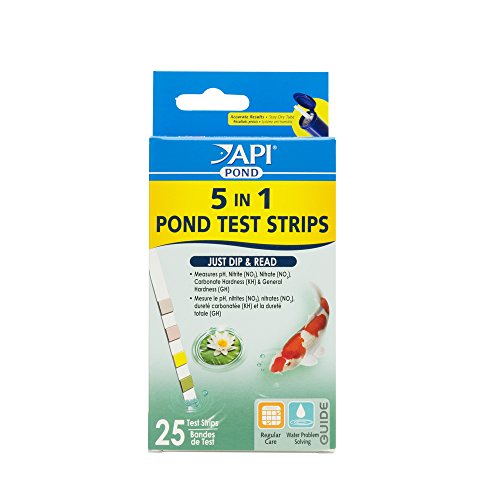
Quick dip strips for pH, nitrite, nitrate, and hardness when you need a fast read.
What makes koi gasp at the surface
The behavior is a symptom, and three root causes account for nearly all of it:
- Low dissolved oxygen. The most common cause. Warm water holds less oxygen, and koi need more of it when warm. Overstocking, a dying or treated algae bloom, decaying debris, a stopped pump, or a power outage can all crash oxygen, especially overnight and at dawn.
- High ammonia or nitrite. These toxins burn the gills so fish cannot absorb oxygen even when the water holds plenty. Typical in uncycled new ponds, after a filter failure, or following overfeeding.
- Gill parasites or disease. Flukes and other parasites irritate the gills, causing labored breathing, often alongside flashing and rubbing. If you also see scraping behavior, read our guide on koi flashing and rubbing.
How to diagnose the cause
Move quickly through these checks:
- Is the pump running? Confirm water is moving and the waterfall or returns are agitating the surface. A failed pump is an instant oxygen problem.
- What is the temperature and time of day? Gasping in a summer heat wave, or worst at dawn, points strongly to low oxygen.
- Did anything change? A recent algae treatment, a big bloom that suddenly cleared, a new batch of fish, or heavy feeding all hint at the cause.
- Test the water. Check ammonia and nitrite immediately. Any detectable ammonia or nitrite is a red flag and shifts your focus to water changes.
What to do right now
1. Add aeration immediately
This is the single most important step and it helps no matter the cause. Oxygen enters water through surface agitation, so add an air pump with air stones, switch on a fountain, or aim a spare pump to break the surface. Size your aeration to the pond with the Pond Aeration Calculator so it actually matches your gallons and depth. Plan to run aeration around the clock through summer.
2. Do a partial water change
Change 25 to 30 percent of the water to dilute ammonia, nitrite, and the byproducts of decaying algae. Always dechlorinate the replacement water before it reaches your koi, since chlorine is toxic to both fish and your filter bacteria. Try to roughly match the temperature of the new water to avoid shocking stressed fish.
3. Stop feeding
Hold all food until the fish recover. Digestion consumes oxygen and feeding adds waste that becomes ammonia, both of which work against you in an oxygen crisis.
4. Address the specific cause
If ammonia or nitrite is high, keep up daily partial water changes and check whether your pond is overstocked or your filter has failed. If a dying algae bloom is the culprit, keep aeration maxed while it clears. If you suspect parasites, consult a koi specialist or aquatic vet for an accurate diagnosis before dosing any treatment, since the wrong medication adds stress.
How to prevent gasping
- Aerate year-round, more in summer. Permanent aeration is the best insurance against oxygen crashes.
- Do not overstock. Heavy bioload plus warm water is the classic recipe for a crash. Check the Koi Stocking Calculator.
- Always aerate during algae treatments. Decomposing algae robs the water of oxygen.
- Keep ammonia and nitrite at zero. Maintain your biological filter and never feed more than the koi finish quickly.
- Plan for power outages. A battery backup air pump can save a pond when the power drops in a heat wave.
- Provide depth. A deeper zone gives koi cooler, more stable water to retreat to.
Gasping that comes with scraping or clamped fins may point to parasites, so cross-check koi flashing and rubbing. For the water-quality basics behind ammonia spikes, see our pond water guide. This article is educational, not veterinary advice. For a sick or declining koi, contact a koi specialist or aquatic vet.
Pond Build & Maintenance Planner
Build planner, stocking planner, water-test log, and seasonal maintenance schedule, in one printable planner that keeps your pond healthy year-round.
Frequently Asked Questions
Why are my koi gasping at the surface?
In most cases it is low dissolved oxygen, often from summer heat, overstocking, a dying algae bloom, or a power outage that stopped the pump. The other common causes are high ammonia or nitrite poisoning the gills, and gill parasites. Gasping at the surface or hanging near the waterfall is the fish trying to reach the most oxygen-rich water, so treat it as urgent.
What should I do right now if koi are gasping?
Act immediately. Add aeration with an air pump and air stones or aim a fountain to break the surface, since surface agitation is how oxygen enters the water. Do a 25 to 30 percent water change with dechlorinated water to dilute toxins. Then test for ammonia and nitrite. Stop feeding until the fish recover, because digestion uses oxygen and adds waste.
Does warm water hold less oxygen?
Yes, and this is why gasping spikes in summer. Warm water holds significantly less dissolved oxygen than cold water, and warm koi also have a faster metabolism that demands more. Add a heat wave to an overstocked pond and oxygen can crash, especially at dawn after plants and algae consumed oxygen all night. Extra aeration in hot weather is essential.
Why is it worse early in the morning?
Plants and algae produce oxygen in daylight but consume it at night, so dissolved oxygen is lowest right before dawn. If your pond is borderline, that early-morning dip is when fish start gasping. A large algae bloom makes this swing extreme. Running aeration around the clock, not just during the day, smooths out the overnight oxygen drop.
Can high ammonia make koi gasp even with good aeration?
Yes. Ammonia and nitrite damage the gills directly, so fish struggle to take in oxygen even when plenty is dissolved in the water. This is common in new ponds that have not finished cycling, after a filter failure, or following overfeeding. If aeration alone does not help, test the water. High ammonia calls for immediate water changes and stopping all feeding.
How much aeration does a koi pond need?
A common guideline is to size your air pump and diffusers to the pond volume and depth, with bigger and deeper ponds needing more output. Koi ponds benefit from running aeration year-round, increased in summer heat. Use the Pond Aeration Calculator to match an air pump and air stones to your gallons rather than guessing, since undersized aeration is a frequent cause of gasping.
Planning or running a pond?
Use our free calculators and guides to get every number right.
Pond Planner: $39